RQT ( RUN QUICK TECH )
Web Site RQT Company
RQT Company Profile
RQT Company Profile
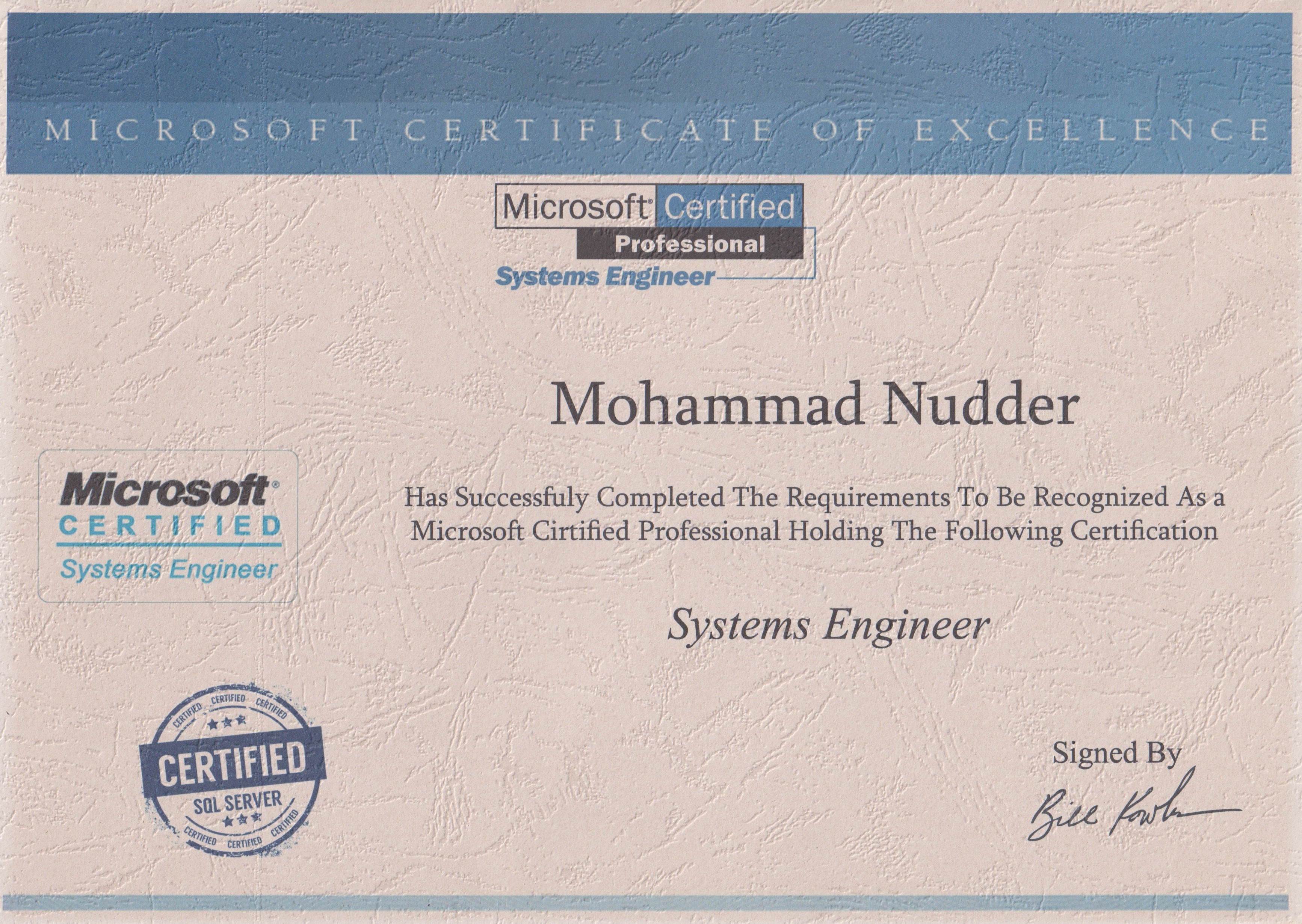
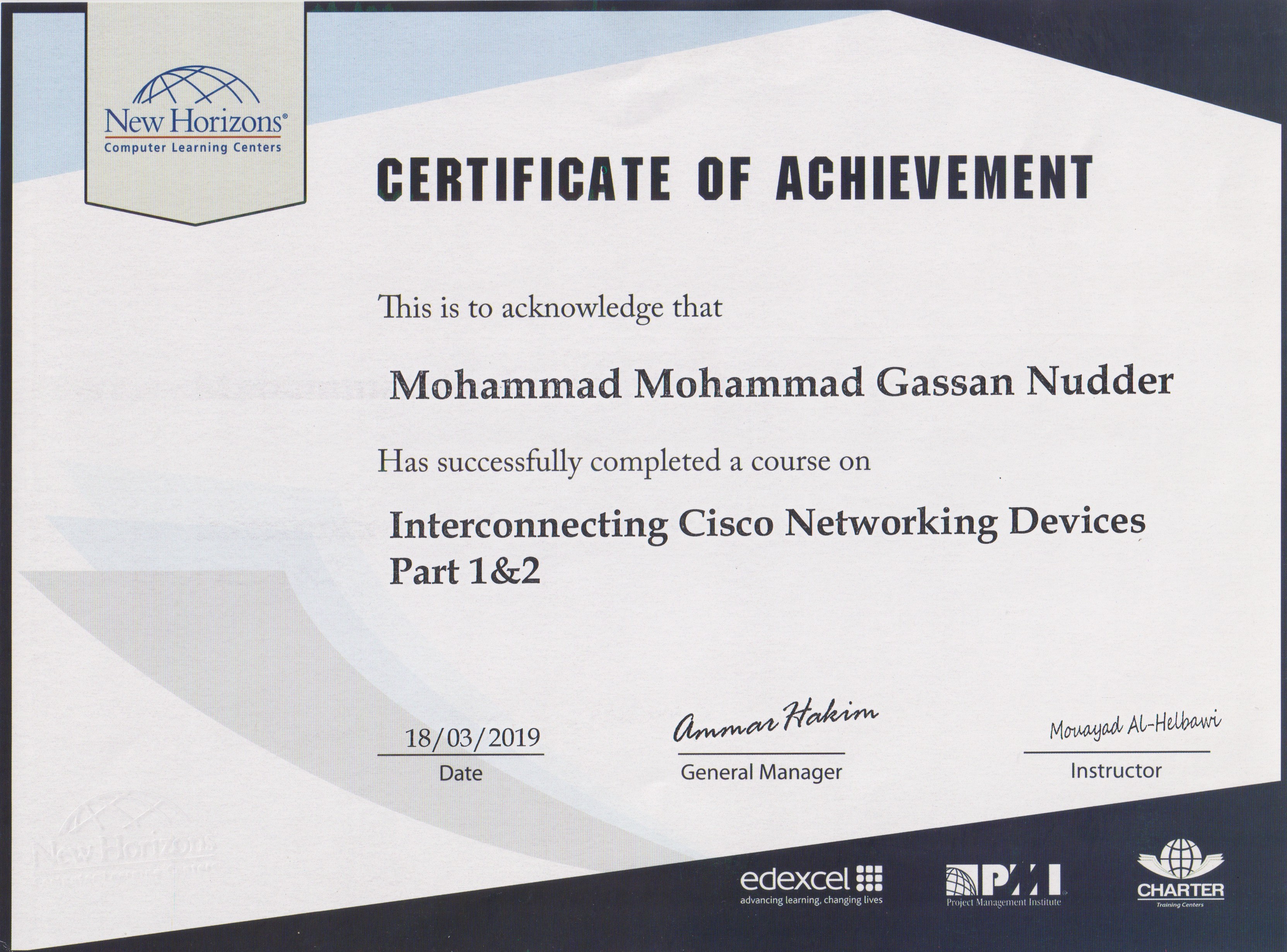
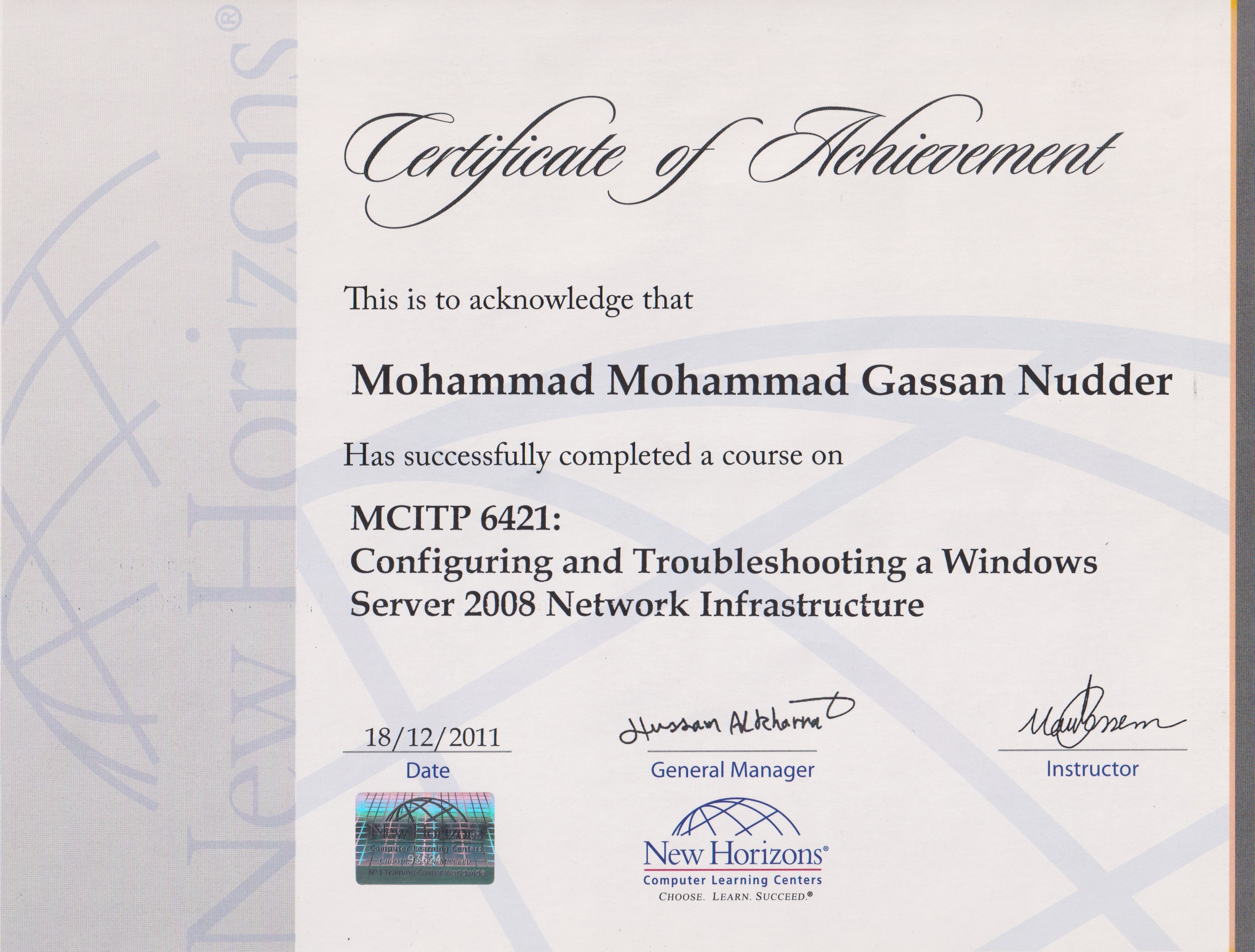
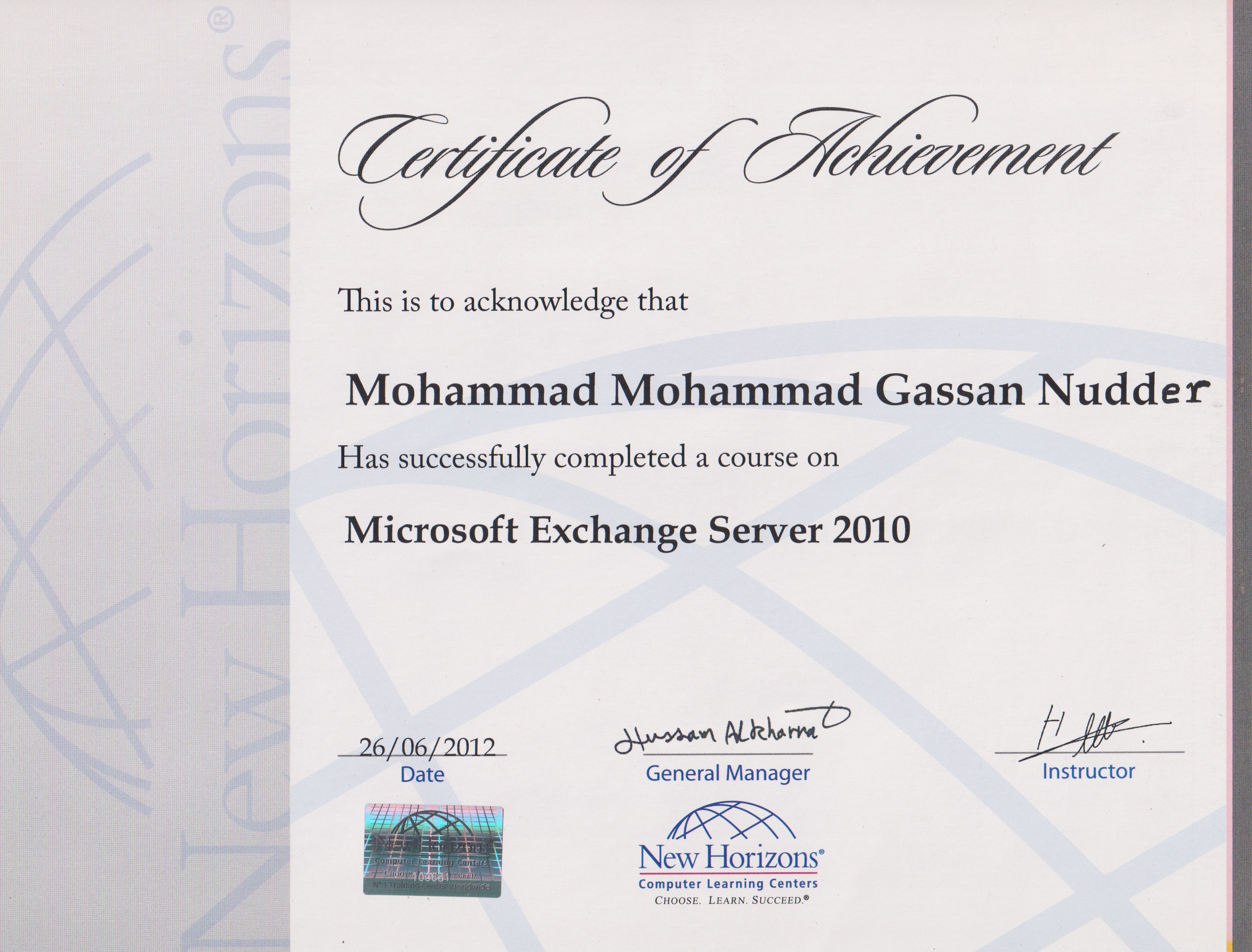
Eng. Mohammad Nudder ( G.M )
C.V Mohammad Nudder / General Manager
Certificate of Appreciation from WPS Company
Certificate of appreciation for our achievements in information technology (UAE-DUBAI)
Certificate of Appreciation from SPACE LINE CARGO Company
Certificate of appreciation for our work in network and ERP system development (UAE-DUBAI)
COMMING SOON ( RQT BRAND LAPTOP )
CPU:Core I7 - RAM: 16 G.B - Storage: 2TB - Graphics: NVIDIA RTX - Display: 15.6 inch
COMMING SOON ( RQT BRAND ROUTTER )
5G SA & NSA With Speed Up To 3.4 Gbps - Wifi 6 - Ethernet Port: 4x Gigabit Lan Port - Security & Networkibg : VPN,Firewall, Qos, IPv4, IPv6, Port Forwarding..
RQT ( FACEBOOK PAGE )
Visit our Facebook page to see all our work and our participation in exhibitions and events.
RQT ( INSTAGRAM PAGE )
Visit our INSTAGRAM page to see all our work and our participation in exhibitions and events.
Khlong Toei Water Tanks
RQT ( RUN QUICK TECH )
RunQuickTech is a Professional Company That Has Managed To
compete strongly in the fields of website design And
development And Mobile Applications Automated Operating Systems
in Addition to Their Hosting Services Social Media Management And
Provision Of Infrastructure And Network Solutions
- Founded
- 2013
- Projects
- 35
- Customers
- 150
- Companies
- 15
Business Plan Study for a Computer, Server, and Networking Brand
1. Project Concept
Establish a specialized technology brand focused on:
- Desktop computers
- Laptops
- Enterprise servers for businesses and data centers
- Routers, switches, and networking equipment
- Accessories and spare parts
- Installation, maintenance, and technical support services
The brand can operate as either:
- An OEM/ODM manufacturer in partnership with external factories
- A private-label brand with products manufactured according to custom specifications.
2. Target Market
- Small and medium-sized businesses (SMEs)
- Government organizations
- Universities and schools
- Data centers
- Internet Service Providers (ISPs)
- Individual consumers
- Computer retailers and distribution partners
3. Product Portfolio
- Desktop PCs
- Mini PCs
- Loptops
- Rack Servers
- NAS Storage Systems
- Wi-Fi Routers
- Enterprise Routers
- Network Switches
- Wireless Access Points
4. Manufacturing Sources
Manufacturing partnerships can be established with factories in:
- China
- Malaysia
5. Competitive Advantages
- High product quality
- 3–5-year warranty
- Fast technical support
- Competitive pricing
- Authorized service centers
- Continuous firmware updates
- Professional product design
6. Revenue Streams
- Hardware sales
- Maintenance contracts
- Technical support contracts
- Extended warranty services
- Software license sales
- Network installation and deployment services
7. Estimated Costs
- Brand Identity Design ( 3000 $ )
- Website & E-commerce Development ( 5000 $ )
- Initial Product Samples ( 10,000 $ - 20,000 $ )
- First Shipment ( 100,000 $ - 500,000 $ )
- Marketing ( 10,000 $ - 30,000 $ )
- Spare Parts Inventory ( 30,000 $ - 50,000 $ )
Recommended Initial Capital: 200,000 $ – 600,000 $, with the possibility of increasing depending on the scale of the product launch.
8. Marketing Strategy
- Online store
- Authorized distributors
- Partnerships with technology companies
- Participation in trade exhibitions
- Social media marketing campaigns
- Business-to-Business (B2B) marketing
- Partner and reseller program
9. Risks
- Competition from established global brands
- Fluctuations in electronic component prices
- Supply chain disruptions
- Rapid technological advancements
- Building customer trust in a new brand
10. Success Factors
- Consistent product quality
- Competitive pricing
- Excellent after-sales service
- Availability of spare parts
- Strong distributor network
- Professional technical support
- Continuous marketing and strong brand reputation
11. Future Vision
The brand can later expand its portfolio to include:
- Gaming computers
- AI Servers
- Cloud computing solutions
- Enterprise storage systems
- Surveillance cameras
- Cybersecurity solutions
- Internet of Things (IoT) devices
Multi-Vendor E-Commerce Store Project Study
1. Project Overview
The project aims to develop a multi-vendor e-commerce platform that connects sellers and buyers.
Merchants can showcase their products and manage their online stores, while customers can search for products, compare prices, make purchases, and track their orders through a single platform.
2. Project Objectives
- Provide a secure and user-friendly online shopping platform.
- Support thousands of products across various categories.
- Enable sellers to manage their stores and products efficiently.
- Offer multiple payment and shipping options.
- Generate revenue through commissions, subscriptions, and advertising.
3. Target Audience
- Individuals interested in online shopping.
- Small and medium-sized businesses (SMEs).
- Store owners looking to sell their products online.
- Suppliers and wholesalers.
4. Core Services
- Customer and seller registration.
- Smart product search.
- Product categorization.
- Shopping cart.
- Online payment.
- Order tracking.
- Product and seller ratings & reviews.
- Customer support.
- Promotions and discounts.
- Inventory management.
5. Competitive Advantages
- Easy-to-use interface
- Fast product search.
- Mobile application (CUSTUMER).
- Mobile application (VENDOR).
- Multi-language support.
- Smart product recommendations.
- Ratings and review system.
- High-level data security.
6. Human Resources
- Project Manager
- Technical Support Specialist
- Digital Marketing Specialist
7. Estimated Costs
- CRM Development (15,000$)
- Mobile Application (5,000$)
- Hosting & Servers (5,000$)/year
- Marketing (10,000$)
- Employee Salaries (4,000$)/month
Estimated Total (83,000$)
8. Revenue Streams
- Sales commission on each transaction (5–15%).
- Monthly subscriptions for sellers.
- Paid advertisements within the platform.
- Shipping services.
- Warehousing and storage services.
- Sales of the platform's own products.
9. SWOT Analysis
Strengths
- Continuously growing e-commerce market.
- Easy access to customers
- Wide variety of products.
Weaknesses
- High operational costs.
- Strong marketing efforts required.
- Intense market competition.
Opportunities
- Increasing adoption of online shopping.
- Regional and international expansion.
- Growing smartphone usage.
Threats
- Competition from major e-commerce platforms.
- Cyber fraud and security threats.
- Changes in laws, regulations, and taxation.
10. Risks
- Shipping delays.
- Poor customer service.
- Online payment issues.
- Declining user trust.
11. Implementation Plan
- Requirements Analysis (2 weeks)
- Testing (1 month)
- Pilot Launch (2 weeks)
Total Implementation Duration: Approximately (2 months).
12. Key Performance Indicators (KPIs)
- Number of registered users.
- Number of daily orders.
- Monthly sales revenue.
- Customer satisfaction rate.
- Customer retention (repeat purchase) rate.
- Average order delivery time.
ERP System Study – Accounting and Employee Management
1. Project Overview
The project aims to design and develop a comprehensive, integrated Enterprise Resource Planning (ERP) system that combines accounting and employee management.
The system will support a dedicated mobile application for management, enabling managers to remotely monitor and manage accounting operations and business activities.
It will also include a mobile application for sales representatives/distributors, allowing them to sell products and process sales orders.
In addition, the system will provide a dedicated customer mobile application, through which customers can browse products and place purchase orders.
2. Project Objectives
- Project Scale: 15 to 150 branches.
- Number of Employees: 200 to 500 employees.
- System Scope: Central Management + All Branches.
- Proposed Implementation Period: 6–9 months.
- Revenue Model: Annual subscriptions and sales of the basic/core version.
3. Target Audience
The system is designed to serve a wide range of organizations, including:
- Private-sector organizations.
- Government institutions.
- Hospitals.
- Factories and manufacturing companies.
- Hotels
4. Core Services and Features
The ERP system will provide the following core functionalities:
- Customer management.
- Quotations.
- Sales and invoicing.
- Customer follow-up and relationship management.
- Electronic payments.
- Commission management.
- Purchase requests and purchase orders.
- Supplier management and purchase invoice processing.
- Branch-level inventory management.
- Inter-branch stock transfers.
- Inventory counting and stocktaking.
- Minimum stock level management.
- Barcode management.
- Branch-based user permissions and access control.
- Expense management.
- Daily sales management.
- Consolidated management reports.
- SaaS + POS capabilities.
- .
5. Competitive Advantages
The system will offer several competitive advantages, including:
- User-friendly and intuitive interface.
- Dedicated mobile application for management.
- Dedicated mobile application for sales representatives.
- Dedicated mobile application for customers.
- Multi-language support.
- AI-powered intelligent system recommendations.
- Rating and review system.
- Queue and appointment management system for different sectors, including hospitals, hotels, and government institutions.
- High-level data security and protection.
6. Human Resources
The proposed project team will include:
- Project Manager
- Technical Support Specialist
- Financial Specialist
- Digital Marketing Specialist
7. Estimated Costs
The estimated project costs are as follows:
- ERP system development and programming (40,000$)
- Management mobile application: (2,000$)
- Sales Representatives mobile application: (2,000$)
- Customer mobile application: (2,000$)
- System integrations and employee management module: (30,000$)
- API development and integration: (15,000$)
- Hosting and servers: (5,000$)/year
- Marketing: (10,000$)
- Employee salaries: (4,000$)/month
Estimated Total (154,000$)
8. Revenue Streams
The proposed revenue model includes:
- Sale of the basic/core version: USD 1,500.
- Additional user license: USD 400 per user.
- Module-based pricing: Pricing varies according to the modules and permissions included. For example, an accounting-only version will have a different price from an accounting and employee management version..
- POS user license: USD 500 per user.
- Annual booking/appointment management subscription: USD 300 annually.
- Custom Development: The system can be customized to meet the specific operational and business requirements of each organization. Custom development will be priced according to the additional requirements and scope of work..
9. SWOT Analysis
Strengths
- Strong market demand for integrated ERP and business management systems.
- Easy access to potential customers and target organizations.
- Flexible and customizable source code that can be modified according to the requirements of each organization.
Weaknesses
- Customers may already be accustomed to legacy systems.
- Significant marketing efforts may be required to attract and convert customers.
Opportunities
- Business growth and the ability to convince customers through the system's strong management capabilities and wide range of features.
- Regional and international expansion.
- Increasing adoption of smartphones and mobile applications.
Threats
- Competition from major global ERP and business management platforms.
- Cyber fraud, cybersecurity threats, and data breaches.
- Changes in laws, regulations, and taxation requirements.
10. Risks
The key project risks include:
- Poor customer service and support.
- Declining user confidence and customer trust.
11. Implementation Plan
The proposed implementation plan consists of the following phases:
- Requirements Analysis: 2 months
- Testing and Quality Assurance: 3 months
- Pilot Launch: 1 month
Total Estimated Implementation Period: Approximately 6 months.
12. Key Performance Indicators (KPIs)
The project's key performance indicators will include:
- Number of subscribed customers.
- Number of additional/custom development requests.
- Annual sales revenue.
- Customer satisfaction rate.
- Customer retention rate and repeat purchases.
- Average value of core customer subscriptions.
- Percentage of server/hosting subscription renewals.
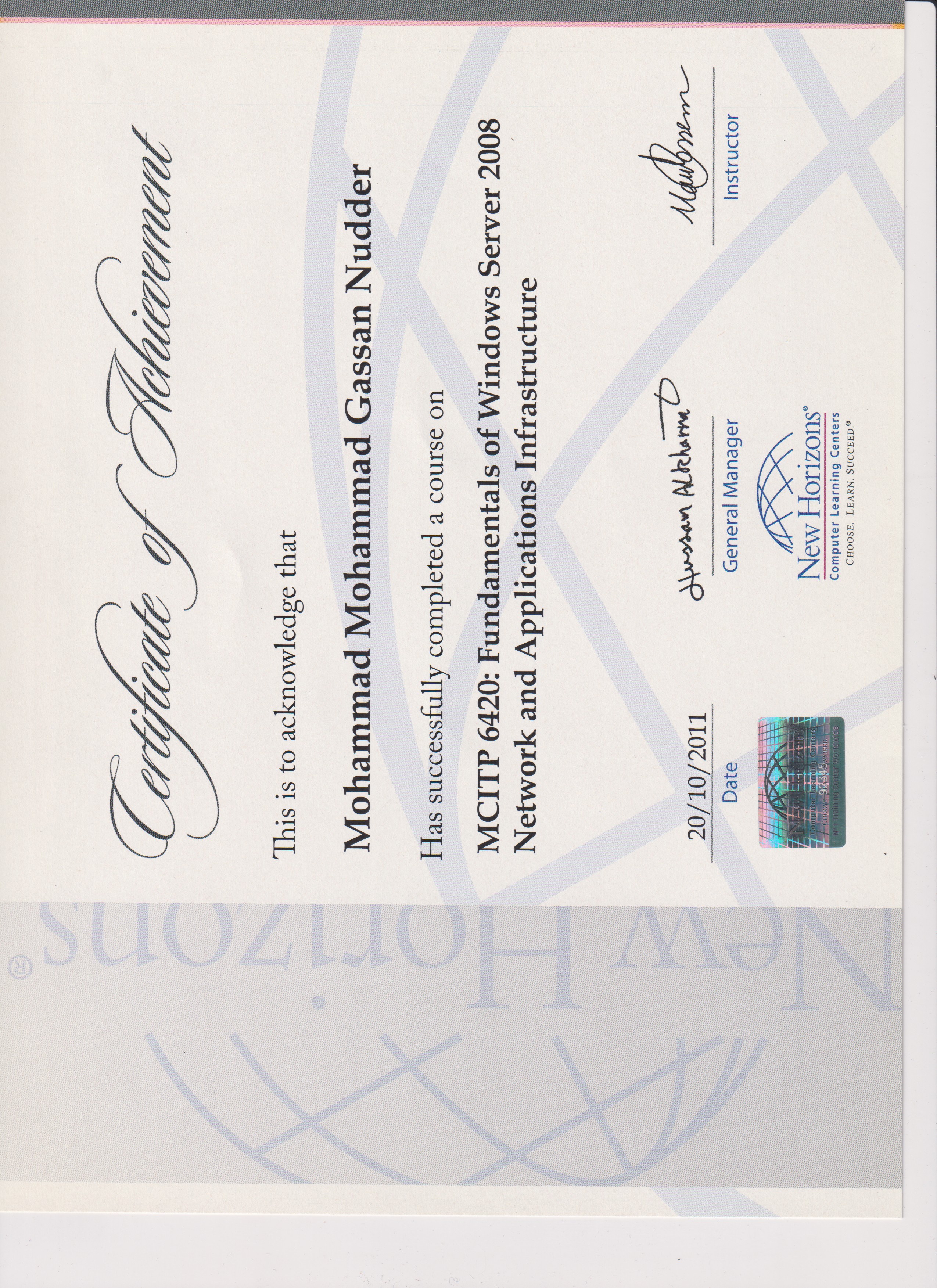
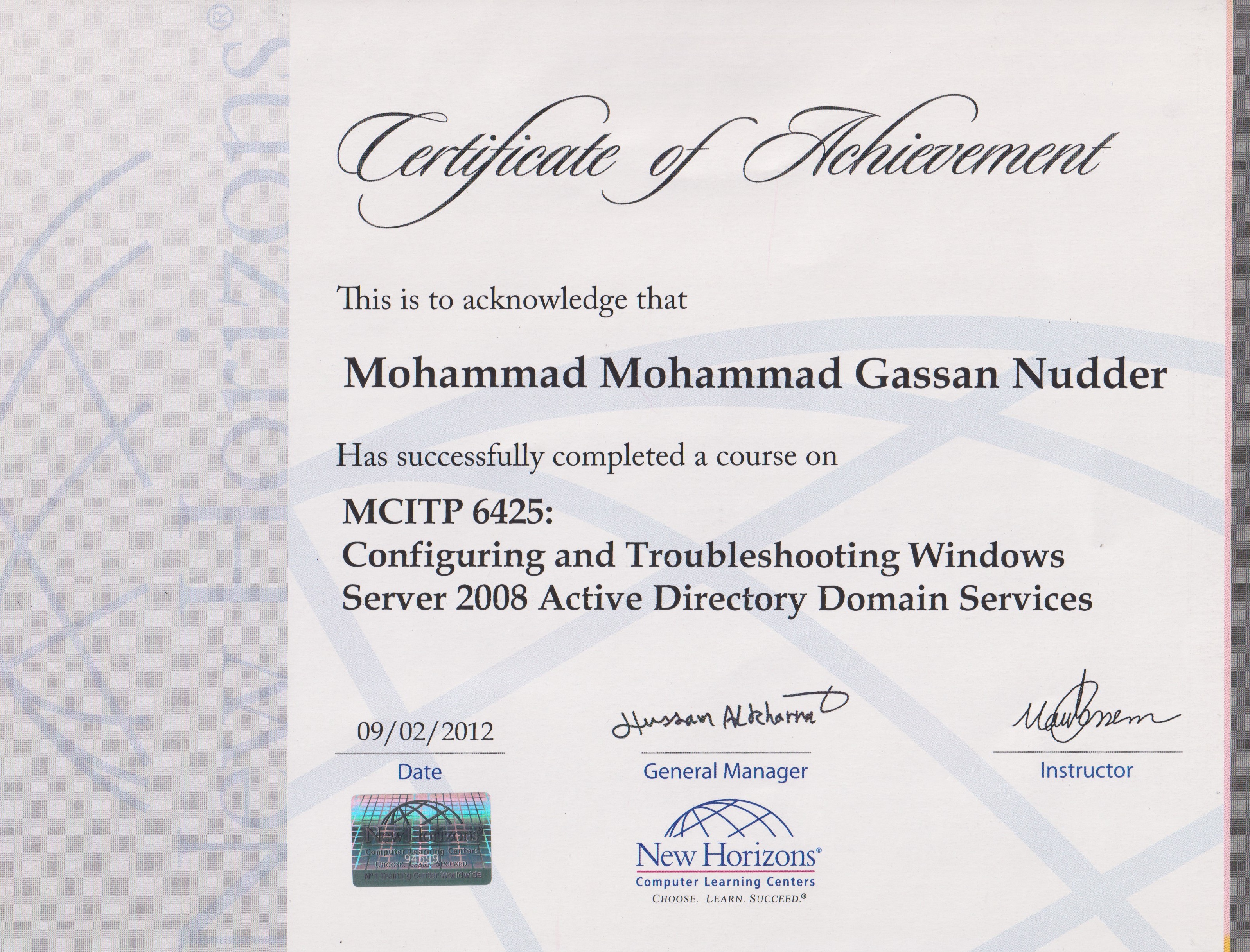
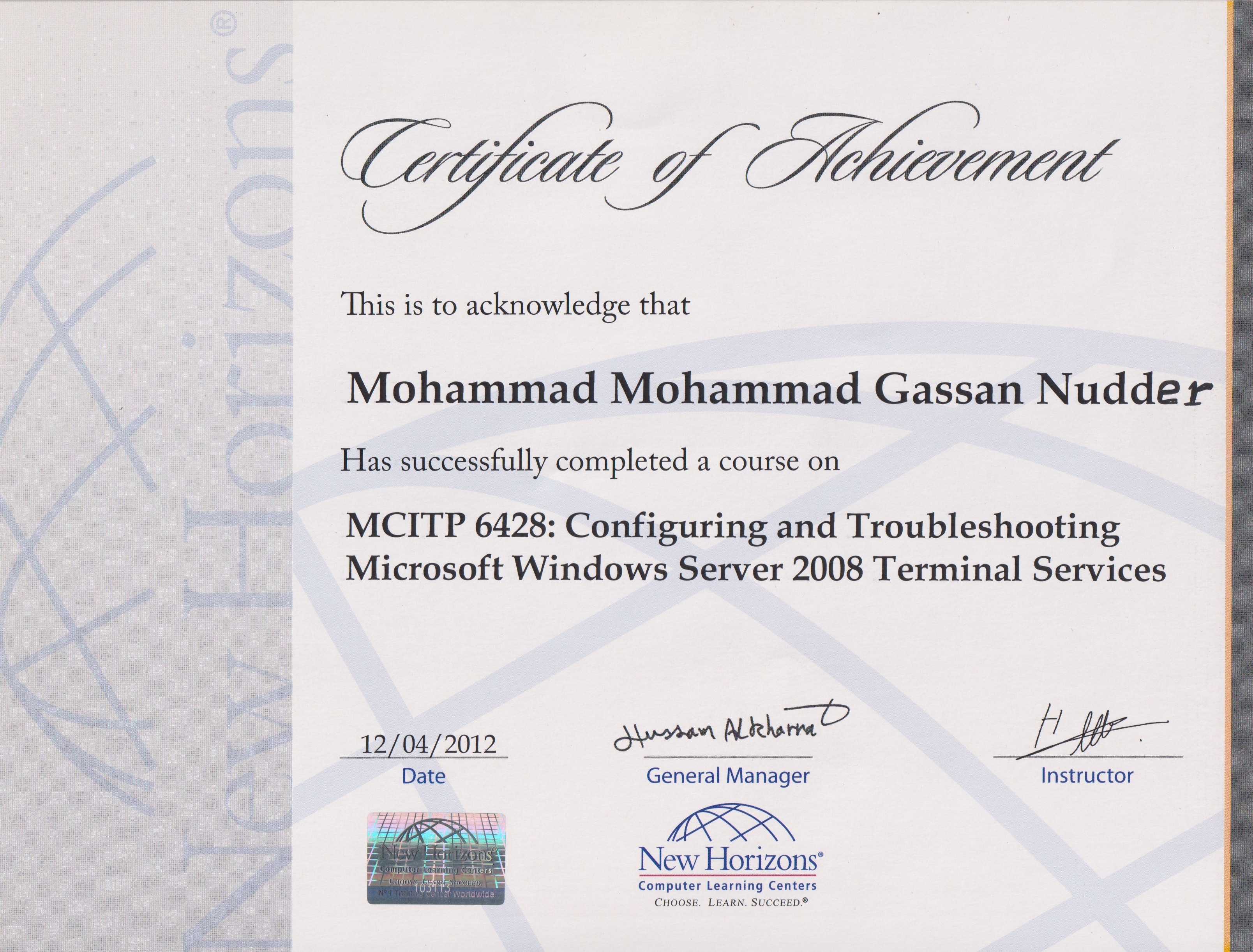
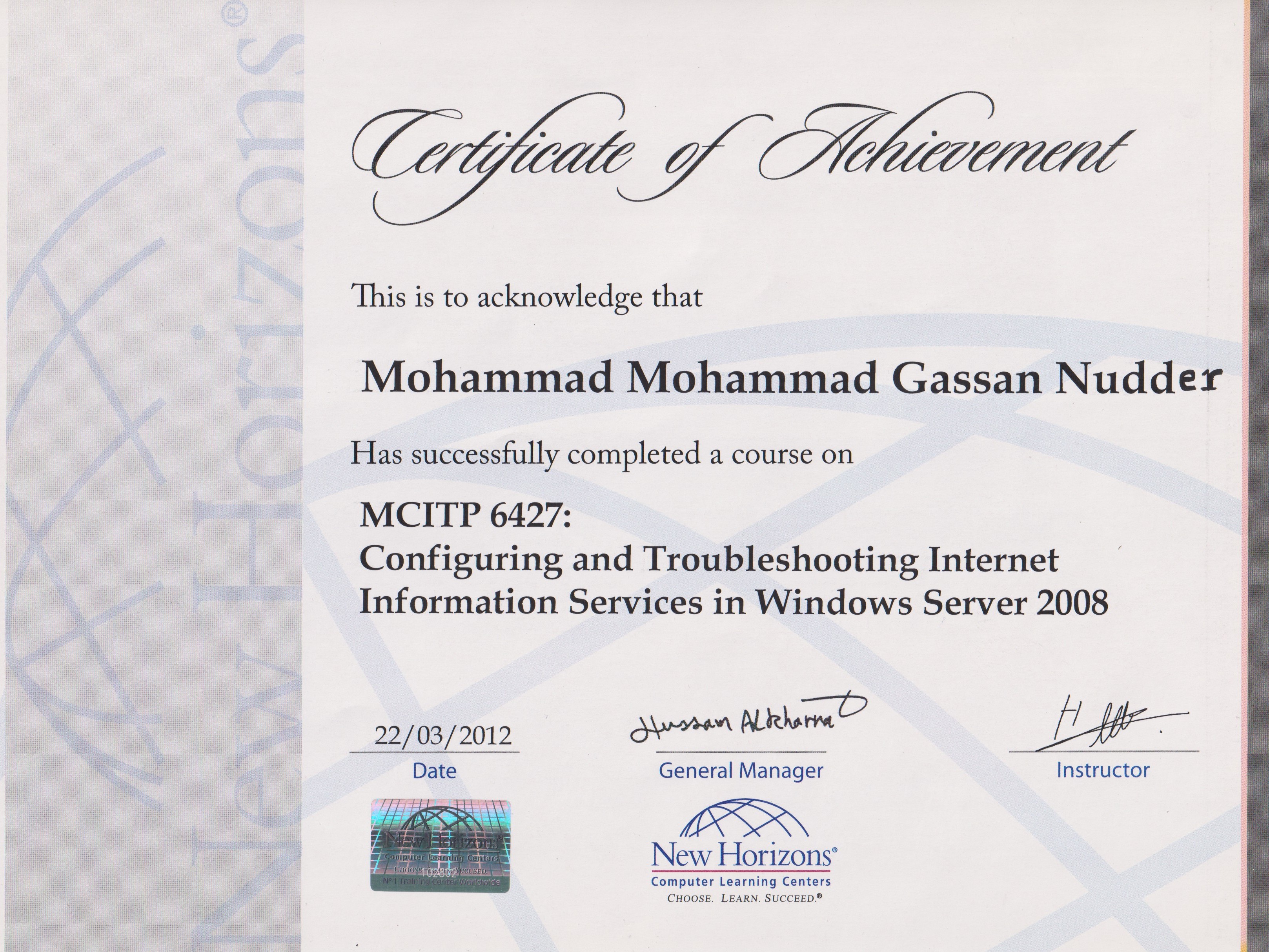
Education and Qualifications of the Director General
OUR PROJECTS

RQT ( RUN QUICK TECH )
There is always a new development.
- Emailmnudder@runquicktech.com"
- Phone UAE+971 55 245 9188
- Phone SYR+963 96 444 5001